
Injection
Compounded Tirzepatide injection
Tirzepatide mimics two gut hormones that help your brain recognize when you’re full. You may feel satisfied with smaller portions.
Have questions about weight loss? Talk to a nurse in the Pulse+ app.
Compare GLP-1 medicines and learn how online prescriptions work. A licensed clinician can determine whether a prescription is appropriate for you.
Explore injections, tablets and oral liquids. Check each product’s formulation and FDA approval status.
Injection
Tirzepatide mimics two gut hormones that help your brain recognize when you’re full. You may feel satisfied with smaller portions.

Injection
Explore injectable semaglutide and how approved uses, packaging and instructions vary by product.

Injection
A separate hormone-related topic. Understanding why sermorelin came up is the first question to bring to a clinician.

Tablet
Questions to take to a clinician when an advertisement mentions tirzepatide in tablet form.

Tablet
Learn why the exact semaglutide tablet matters for approved uses and directions.

Oral liquid
A dropper describes the container. Ask what the liquid contains, who prepared it and what evidence supports that formulation.
Nine short illustrated guides with on-screen captions cover goals, treatment formats, costs and questions to ask a nurse in the app.
Continue to questionnaireIf you start treatment
Enter your current weight and a goal you’d like to discuss with a nurse.
Continue to questionnaireOur goal is to help 10,000 people start a conversation about weight-loss care.
Continue to questionnaire
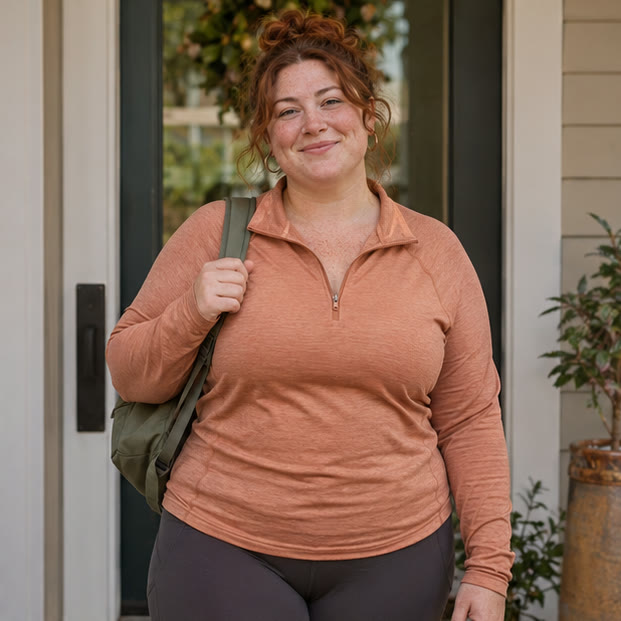

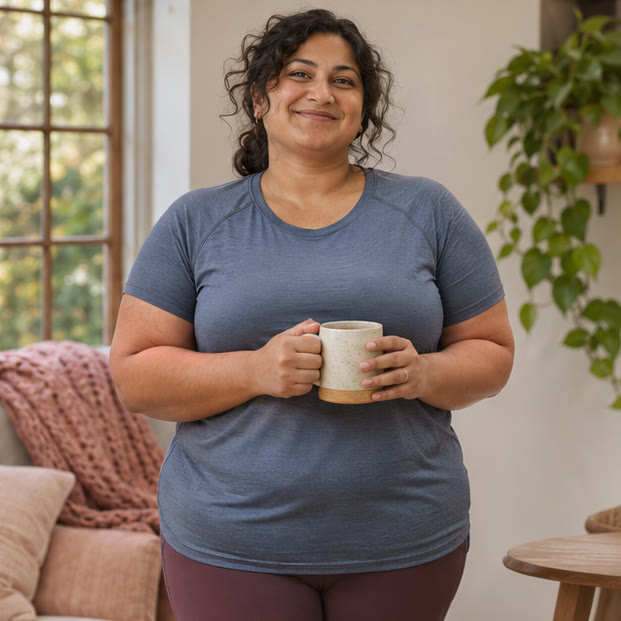


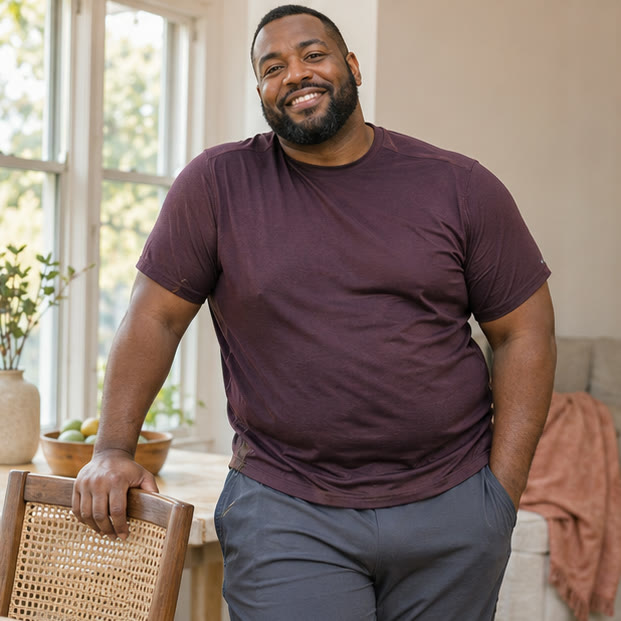
Fictional example
“My trousers sat differently after I lost weight. It helped to look at the full stretch of time.”

Fictional example
“I pulled out a jacket I had stopped wearing and it finally buttoned comfortably. I wrote it down so I could remember the moment.”
Fictional example
“I could see the weight change when I put the photos next to each other. I wanted the next step to fit into my ordinary week.”
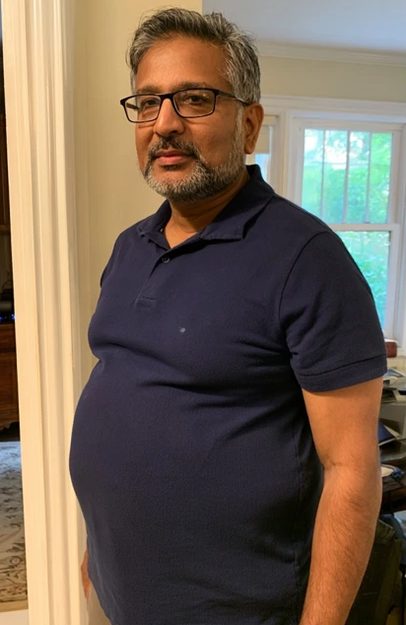
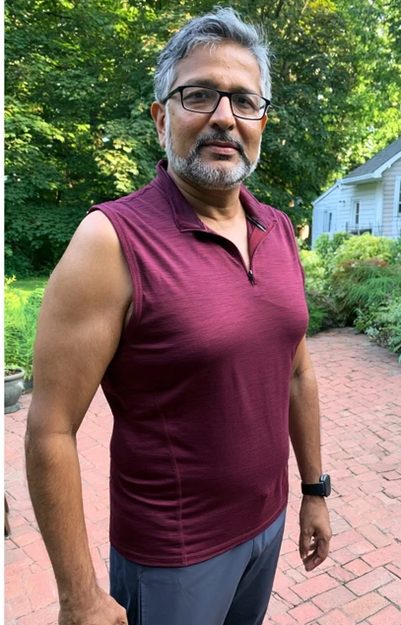
Fictional example
“The day I moved my belt in a notch, I started to register how much had changed. I kept a note of what I was finding easier and what was still difficult.”
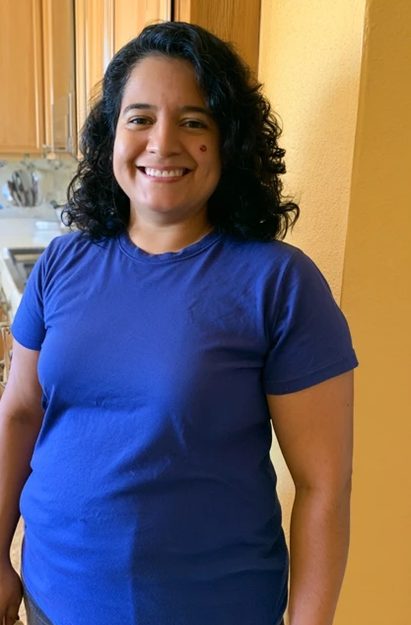
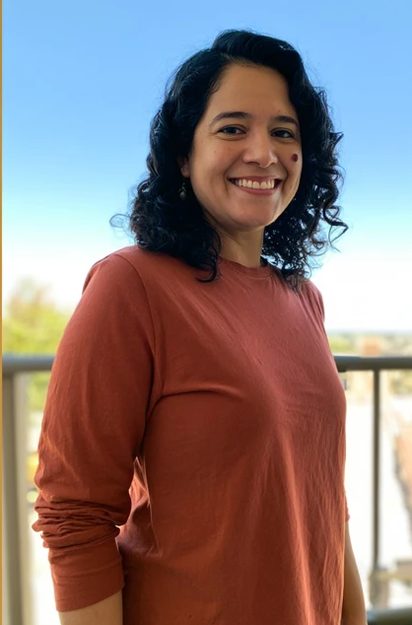
Fictional example
“A shirt I used to avoid now hangs loosely at my waist. Some weeks felt easier than others.”
Fictional example
“I noticed the weight I had lost in a photo someone took at dinner. I still had questions about how to maintain the changes.”
Fictional example
“I eventually had to take in the waist of my work trousers. Looking back made the gradual changes easier to see.”
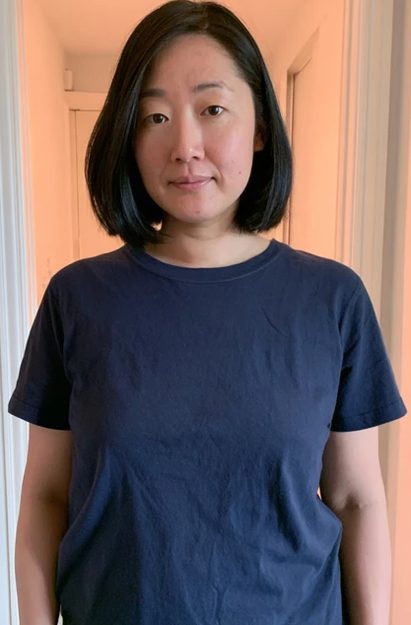
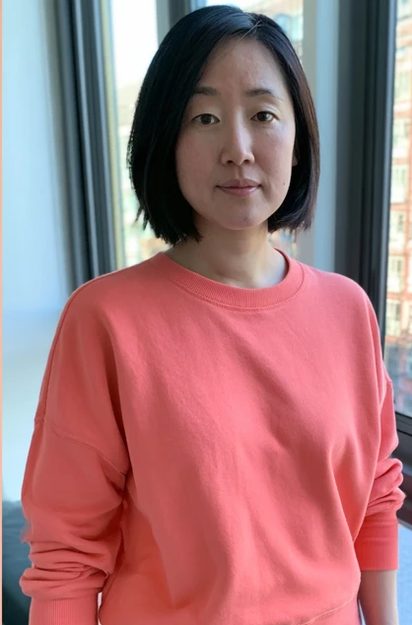
Fictional example
“I saw a bigger change looking back at my first photo than I could see week to week. I took some time to think about what I wanted from the next chapter.”
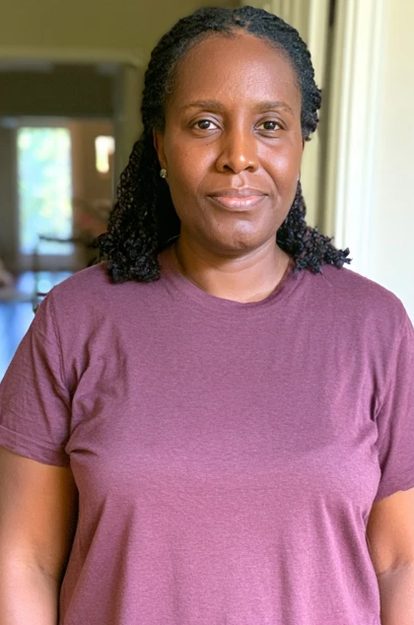
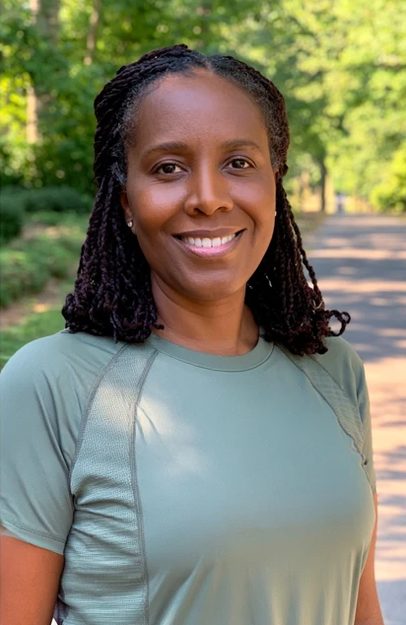
Fictional example
“My weight went down over time, and I started looking forward to my walk around the block. I made room for the days that felt slower.”
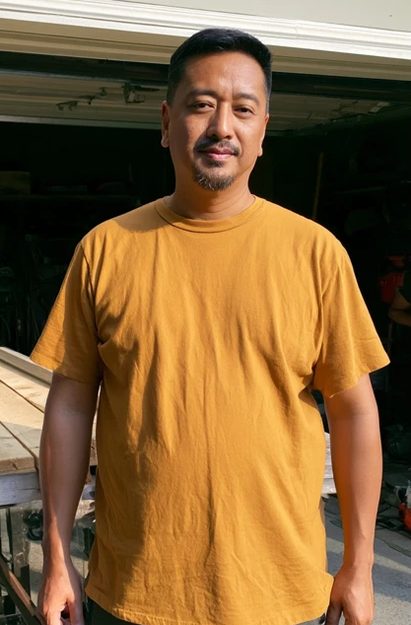

Fictional example
“I’m still getting used to how differently my clothes fit since I lost weight. I started paying more attention to how I felt in daily life.”
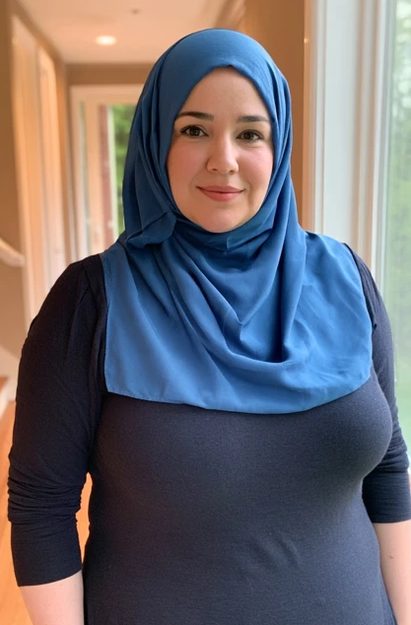
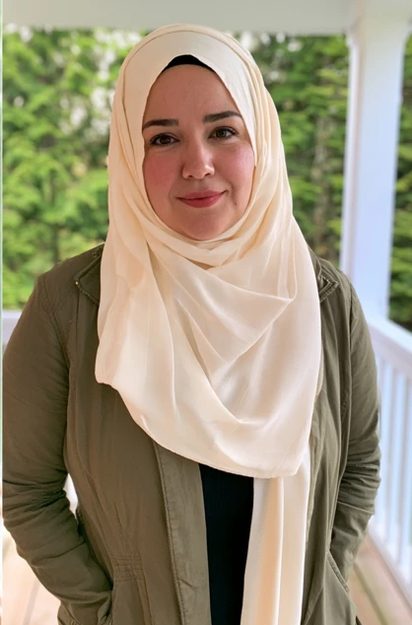
Fictional example
“I came across a photo from last summer and could see how my shape had changed. It helped to look at the full stretch of time.”
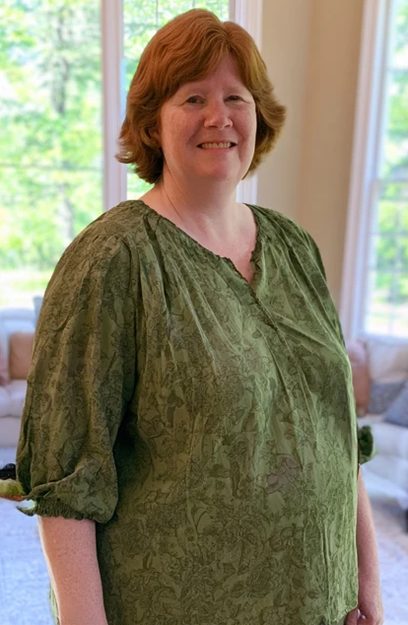
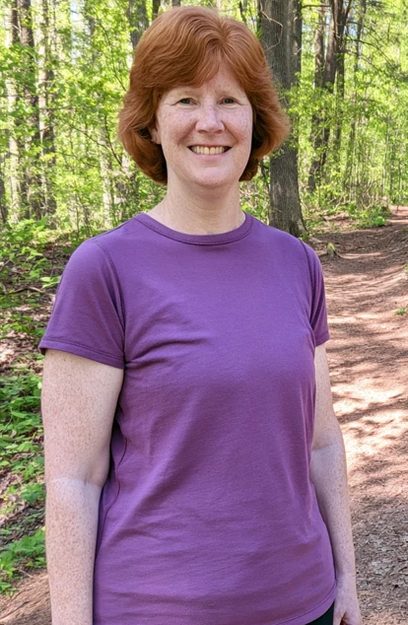
Fictional example
“I could see the change around my waist before I noticed it anywhere else. I wrote it down so I could remember the moment.”
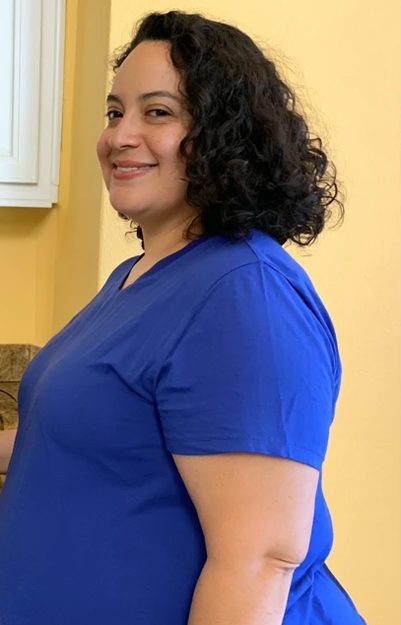
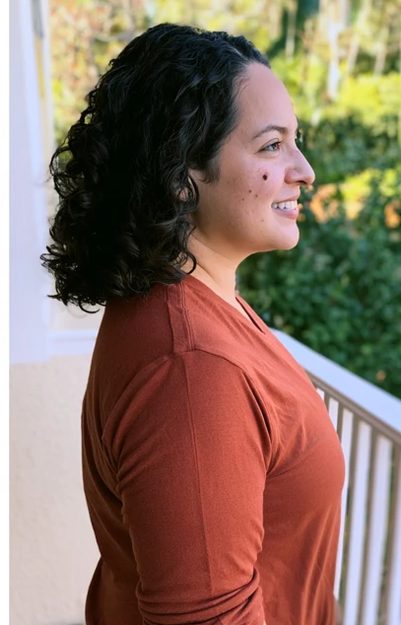
Fictional example
“The sleeves on my favourite shirt were the first thing to feel looser. I wanted the next step to fit into my ordinary week.”
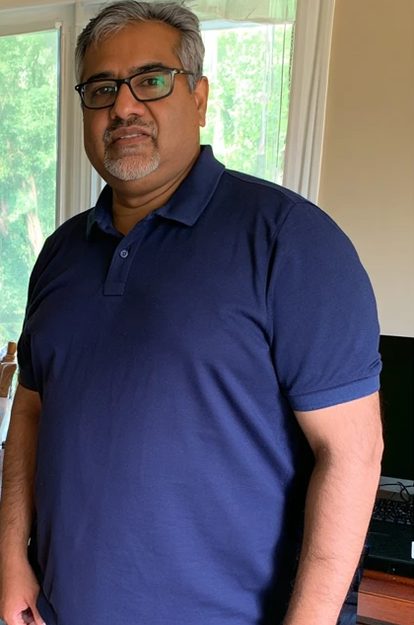
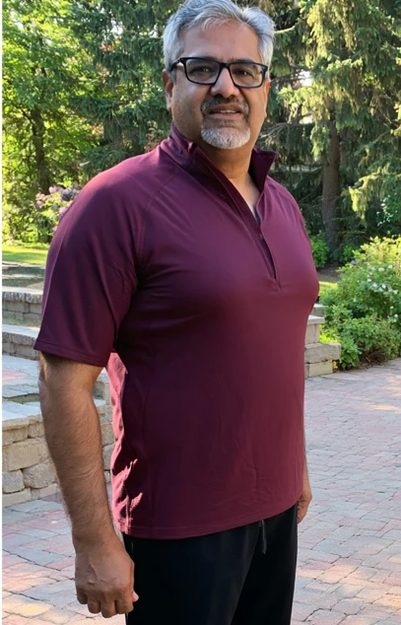
Fictional example
“I put on my old jeans and realised I needed a smaller belt. I kept a note of what I was finding easier and what was still difficult.”
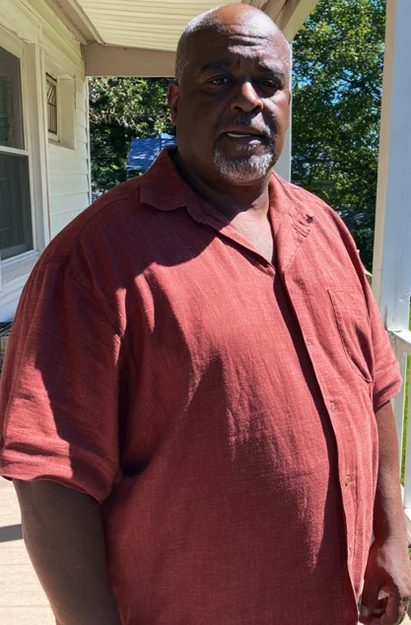
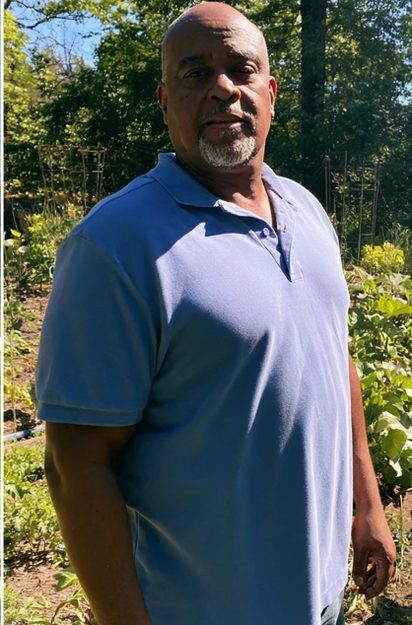
Fictional example
“The weight came off in stages, with stretches where I could barely see a difference. Some weeks felt easier than others.”
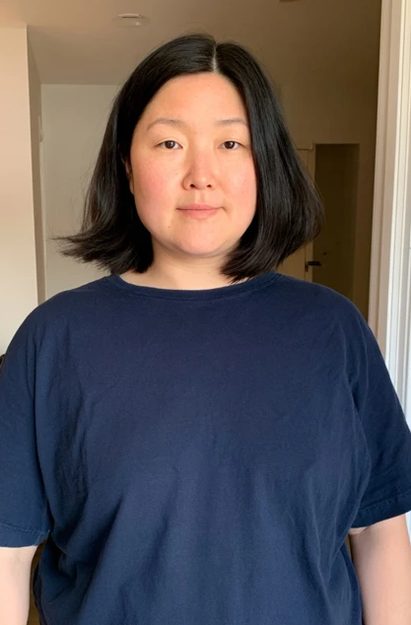
Fictional example
“There were months when the scale hardly moved, so the two pictures surprised me. I still had questions about how to maintain the changes.”
Fictional example
“I took another photo to see how my weight had changed since I started. Looking back made the gradual changes easier to see.”


Fictional example
“When I got my winter clothes out, I realised several things needed tailoring. I took some time to think about what I wanted from the next chapter.”
Fictional example
“I was surprised by how much weight I’d lost when I tried on my old clothes. I made room for the days that felt slower.”
Fictional example
“As my weight changed, I started thinking about which parts of my routine I wanted to keep. I started paying more attention to how I felt in daily life.”
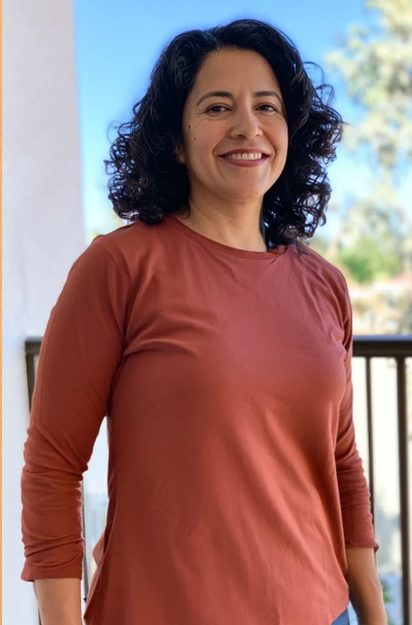
Fictional example
“My trousers sat differently after I lost weight. I wrote it down so I could remember the moment.”
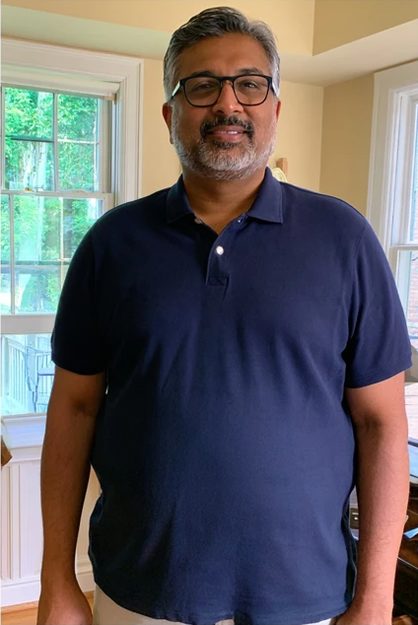
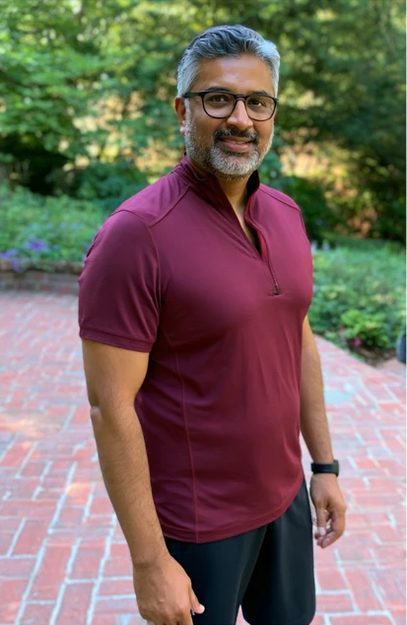
Fictional example
“I pulled out a jacket I had stopped wearing and it finally buttoned comfortably. I wanted the next step to fit into my ordinary week.”
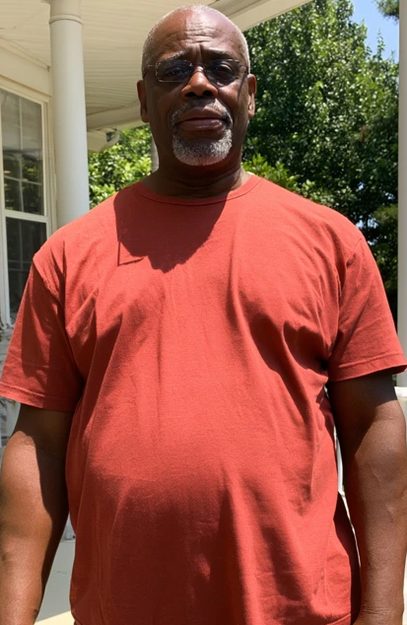
Fictional example
“I could see the weight change when I put the photos next to each other. I kept a note of what I was finding easier and what was still difficult.”

Fictional example
“The day I moved my belt in a notch, I started to register how much had changed. Some weeks felt easier than others.”
Fictional example
“A shirt I used to avoid now hangs loosely at my waist. I still had questions about how to maintain the changes.”
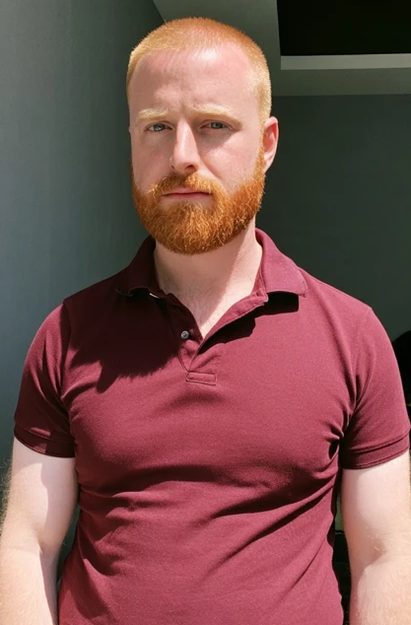
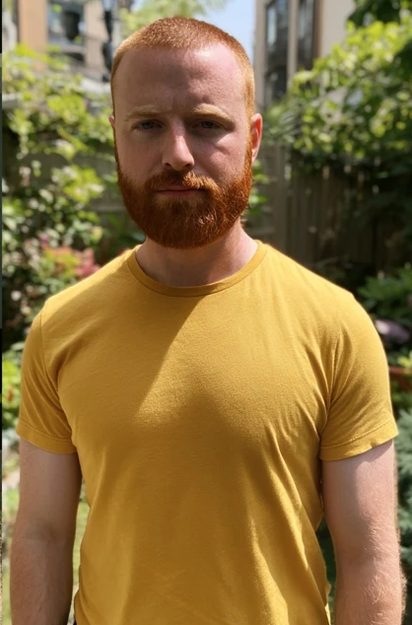
Fictional example
“I noticed the weight I had lost in a photo someone took at dinner. Looking back made the gradual changes easier to see.”
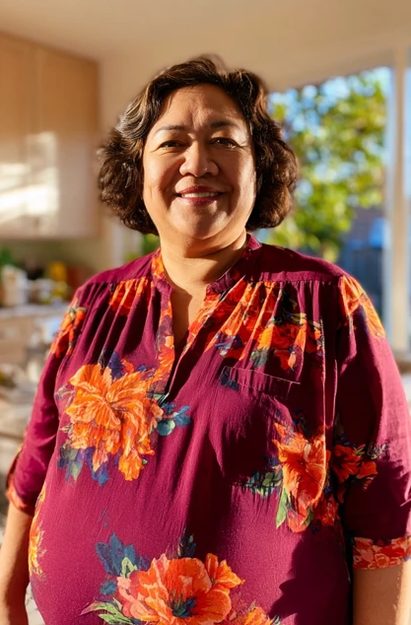
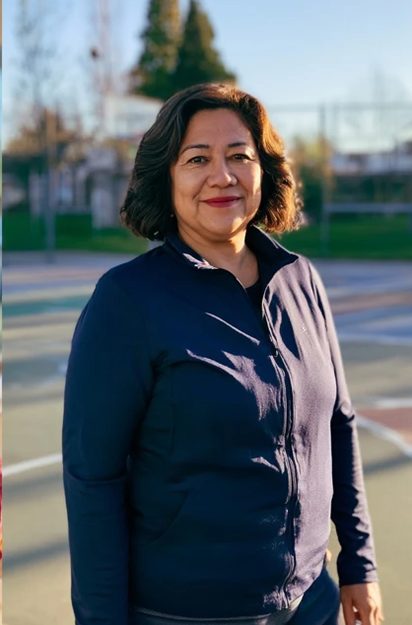
Fictional example
“I eventually had to take in the waist of my work trousers. I took some time to think about what I wanted from the next chapter.”
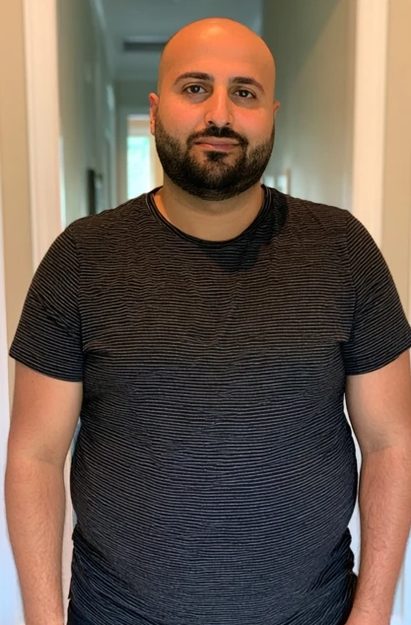

Fictional example
“I saw a bigger change looking back at my first photo than I could see week to week. I made room for the days that felt slower.”
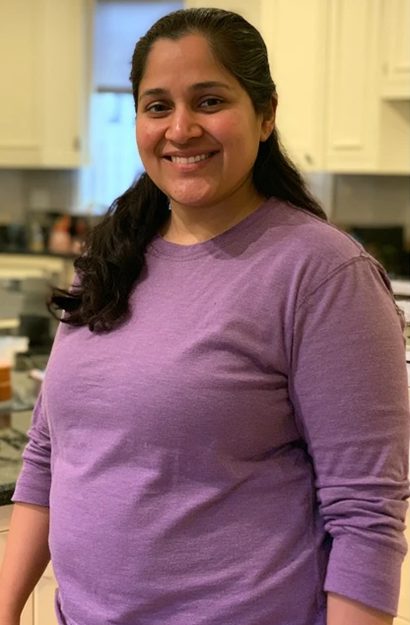
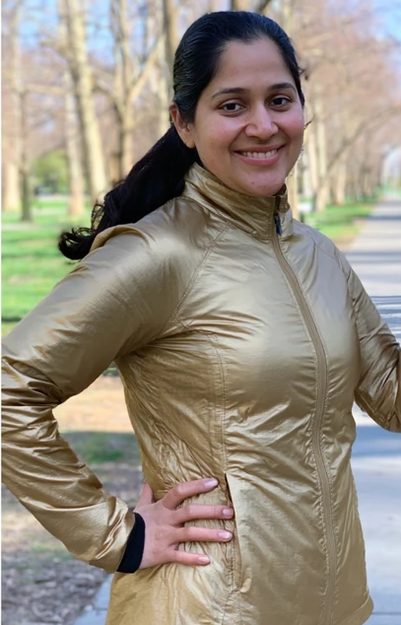
Fictional example
“My weight went down over time, and I started looking forward to my walk around the block. I started paying more attention to how I felt in daily life.”
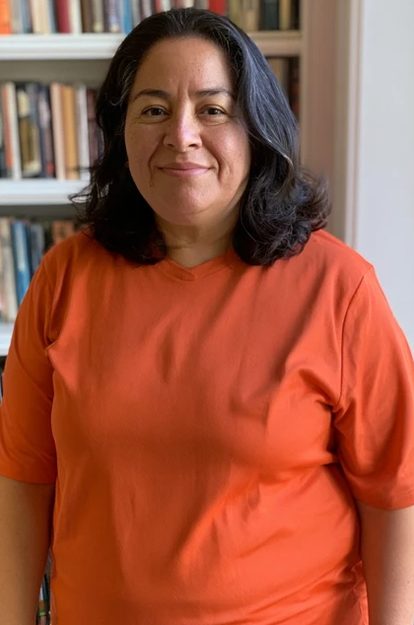
Fictional example
“I’m still getting used to how differently my clothes fit since I lost weight. It helped to look at the full stretch of time.”
Fictional example
“I came across a photo from last summer and could see how my shape had changed. I wrote it down so I could remember the moment.”
Fictional example
“I could see the change around my waist before I noticed it anywhere else. I wanted the next step to fit into my ordinary week.”
Fictional example
“The sleeves on my favourite shirt were the first thing to feel looser. I kept a note of what I was finding easier and what was still difficult.”
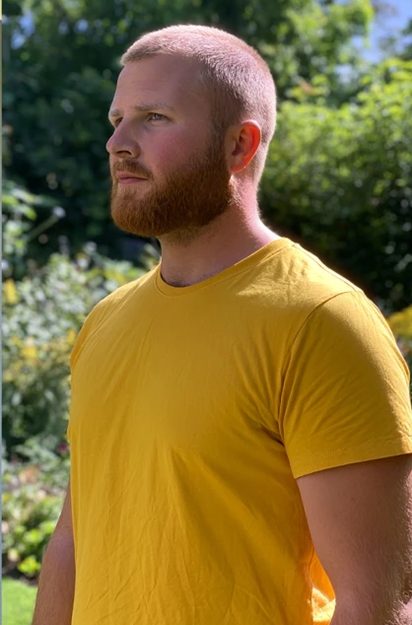
Fictional example
“I put on my old jeans and realised I needed a smaller belt. Some weeks felt easier than others.”
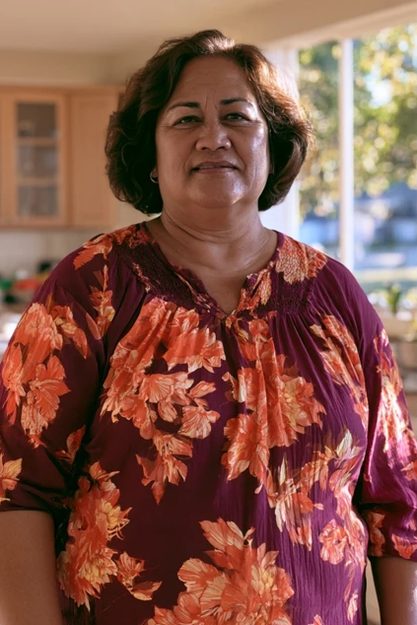
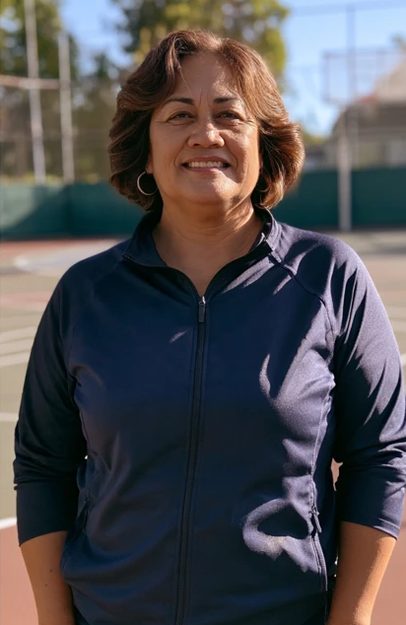
Fictional example
“The weight came off in stages, with stretches where I could barely see a difference. I still had questions about how to maintain the changes.”
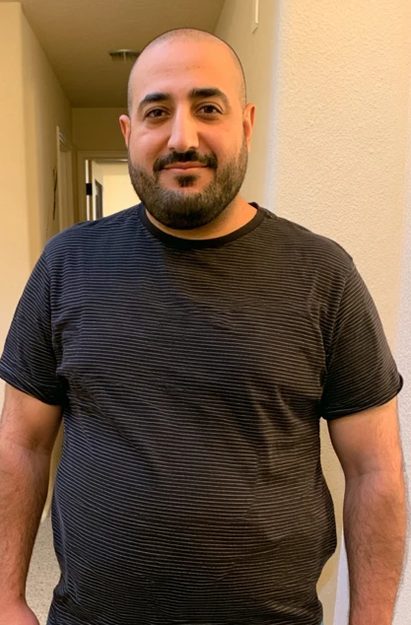
Fictional example
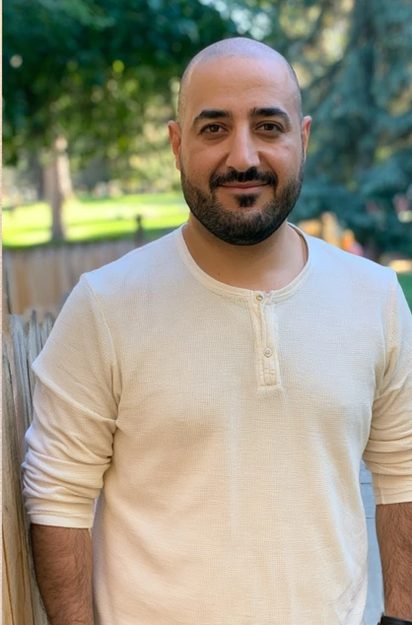
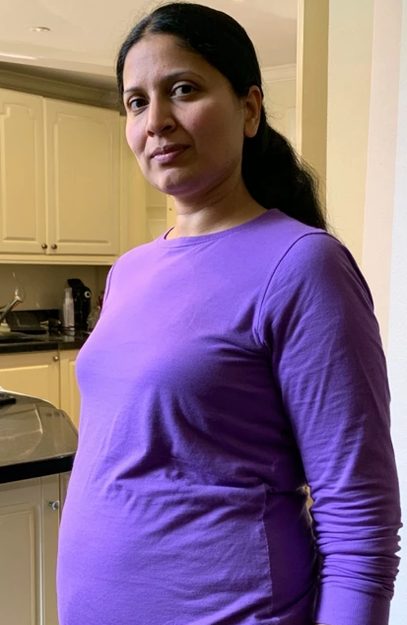
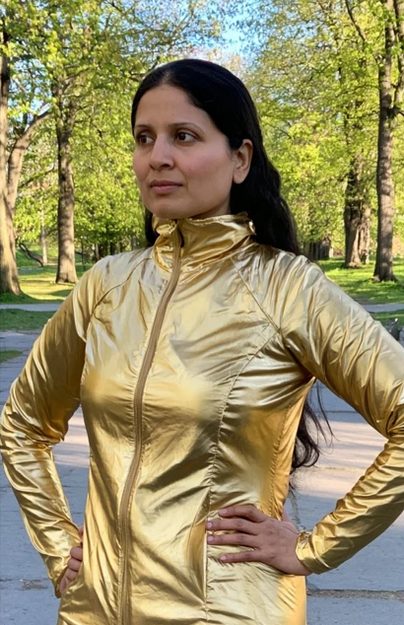
“There were months when the scale hardly moved, so the two pictures surprised me. Looking back made the gradual changes easier to see.”
Fictional example
“I took another photo to see how my weight had changed since I started. I took some time to think about what I wanted from the next chapter.”
Fictional example
“When I got my winter clothes out, I realised several things needed tailoring. I made room for the days that felt slower.”
Fictional example
“I was surprised by how much weight I’d lost when I tried on my old clothes. I started paying more attention to how I felt in daily life.”
Fictional example
“As my weight changed, I started thinking about which parts of my routine I wanted to keep. It helped to look at the full stretch of time.”
Fictional example
“My trousers sat differently after I lost weight. I wanted the next step to fit into my ordinary week.”
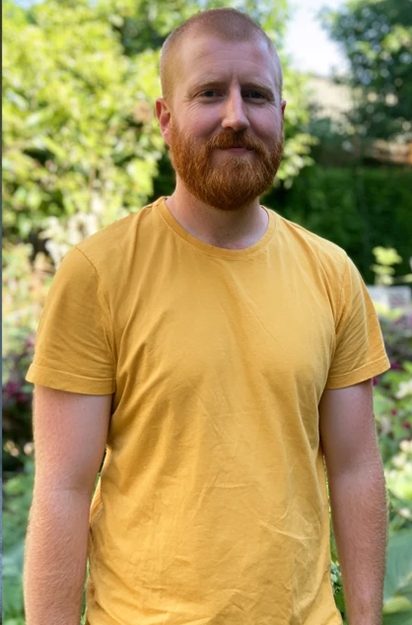
Fictional example
“I pulled out a jacket I had stopped wearing and it finally buttoned comfortably. I kept a note of what I was finding easier and what was still difficult.”
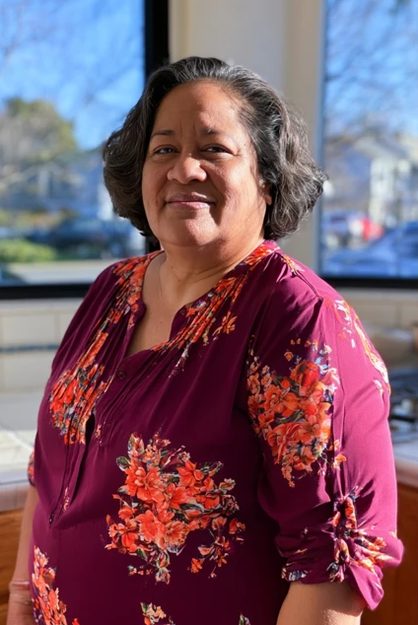

Fictional example
“I could see the weight change when I put the photos next to each other. Some weeks felt easier than others.”
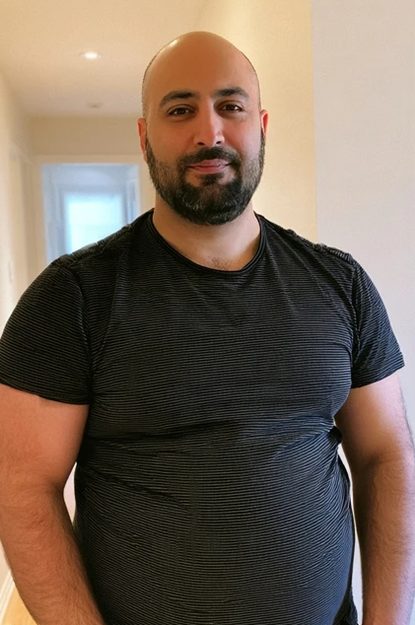
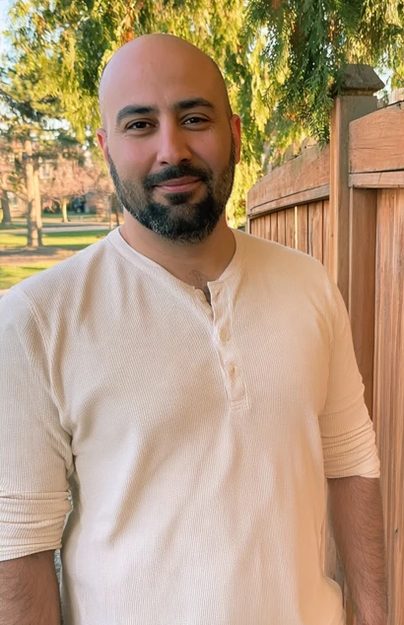
Fictional example
“The day I moved my belt in a notch, I started to register how much had changed. I still had questions about how to maintain the changes.”
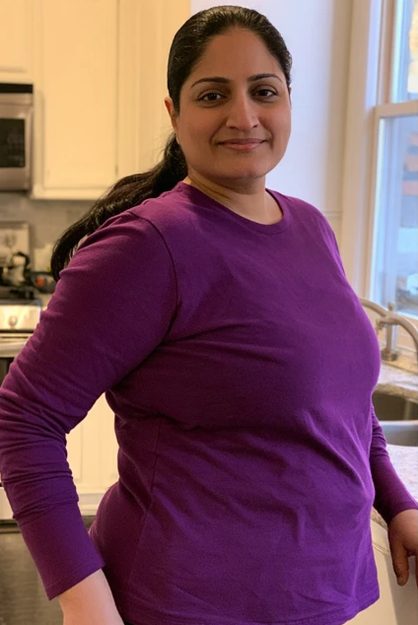
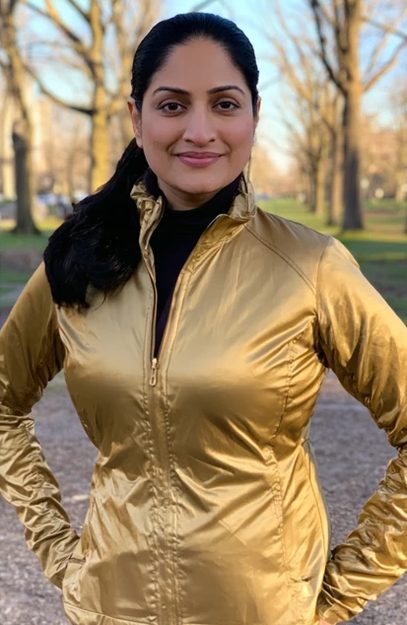
Fictional example
“A shirt I used to avoid now hangs loosely at my waist. Looking back made the gradual changes easier to see.”
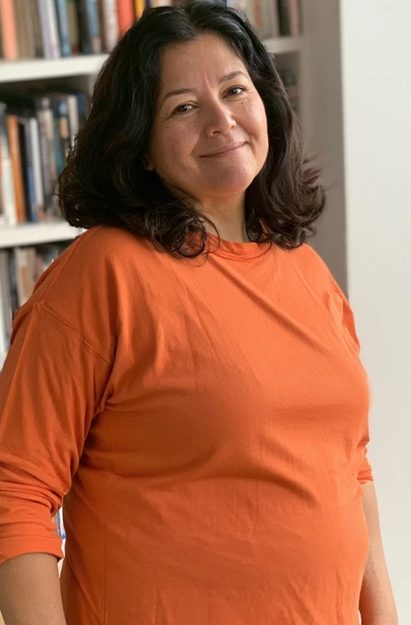
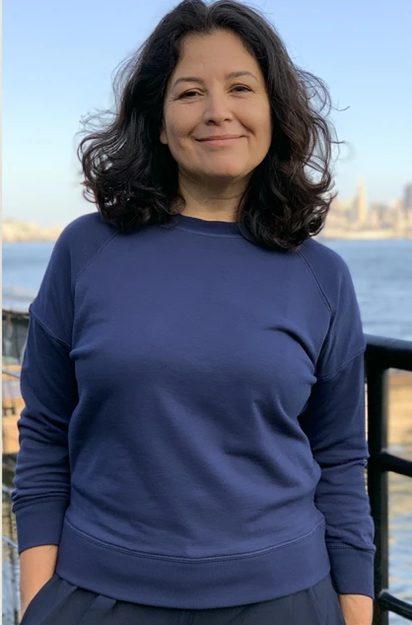
Fictional example
“I noticed the weight I had lost in a photo someone took at dinner. I took some time to think about what I wanted from the next chapter.”
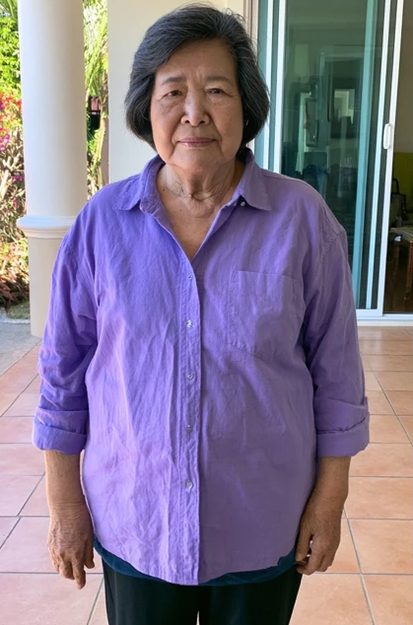
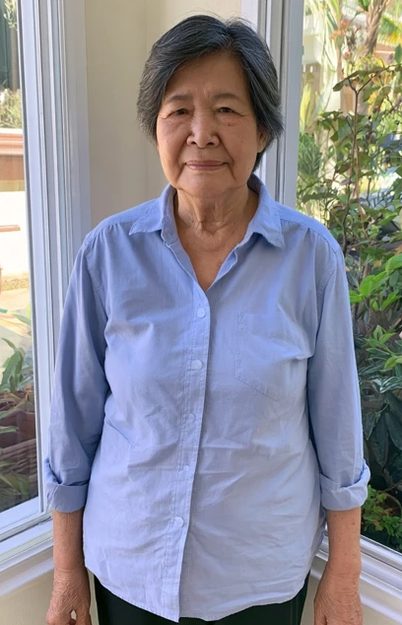
Fictional example
“I eventually had to take in the waist of my work trousers. I made room for the days that felt slower.”
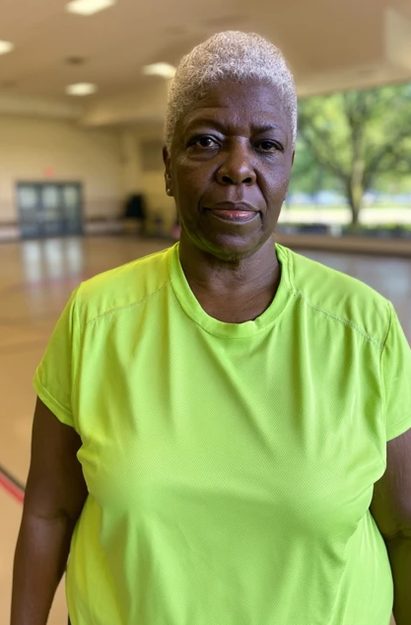
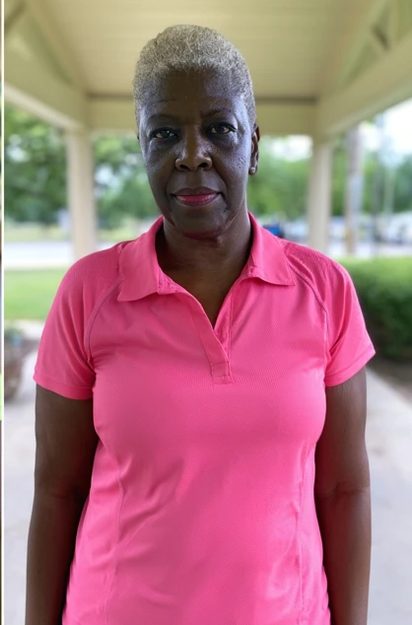
Fictional example
“I saw a bigger change looking back at my first photo than I could see week to week. I started paying more attention to how I felt in daily life.”
Fictional example
“My weight went down over time, and I started looking forward to my walk around the block. It helped to look at the full stretch of time.”
Fictional example
“I’m still getting used to how differently my clothes fit since I lost weight. I wrote it down so I could remember the moment.”
Fictional example
“I came across a photo from last summer and could see how my shape had changed. I wanted the next step to fit into my ordinary week.”
Fictional example
“I could see the change around my waist before I noticed it anywhere else. I kept a note of what I was finding easier and what was still difficult.”
Fictional example
“The sleeves on my favourite shirt were the first thing to feel looser. Some weeks felt easier than others.”
Fictional example
“I put on my old jeans and realised I needed a smaller belt. I still had questions about how to maintain the changes.”
Fictional example
“The weight came off in stages, with stretches where I could barely see a difference. Looking back made the gradual changes easier to see.”
Fictional example
“There were months when the scale hardly moved, so the two pictures surprised me. I took some time to think about what I wanted from the next chapter.”
Fictional example
“I took another photo to see how my weight had changed since I started. I made room for the days that felt slower.”
Fictional example
“When I got my winter clothes out, I realised several things needed tailoring. I started paying more attention to how I felt in daily life.”
Fictional example
“I was surprised by how much weight I’d lost when I tried on my old clothes. It helped to look at the full stretch of time.”
Fictional example
“As my weight changed, I started thinking about which parts of my routine I wanted to keep. I wrote it down so I could remember the moment.”
Fictional example
“My trousers sat differently after I lost weight. I kept a note of what I was finding easier and what was still difficult.”
Fictional example
“I pulled out a jacket I had stopped wearing and it finally buttoned comfortably. Some weeks felt easier than others.”
Fictional example
“I could see the weight change when I put the photos next to each other. I still had questions about how to maintain the changes.”
Fictional example
“The day I moved my belt in a notch, I started to register how much had changed. Looking back made the gradual changes easier to see.”
Fictional example
“A shirt I used to avoid now hangs loosely at my waist. I took some time to think about what I wanted from the next chapter.”
Fictional example
“I noticed the weight I had lost in a photo someone took at dinner. I made room for the days that felt slower.”
Fictional example
“I eventually had to take in the waist of my work trousers. I started paying more attention to how I felt in daily life.”
Fictional example
“I saw a bigger change looking back at my first photo than I could see week to week. It helped to look at the full stretch of time.”
Fictional example
“My weight went down over time, and I started looking forward to my walk around the block. I wrote it down so I could remember the moment.”
Fictional example
“I’m still getting used to how differently my clothes fit since I lost weight. I wanted the next step to fit into my ordinary week.”
Fictional example
“I came across a photo from last summer and could see how my shape had changed. I kept a note of what I was finding easier and what was still difficult.”
Fictional example
“I could see the change around my waist before I noticed it anywhere else. Some weeks felt easier than others.”
Fictional example
“The sleeves on my favourite shirt were the first thing to feel looser. I still had questions about how to maintain the changes.”
Fictional example
“I put on my old jeans and realised I needed a smaller belt. Looking back made the gradual changes easier to see.”
Fictional example
“The weight came off in stages, with stretches where I could barely see a difference. I took some time to think about what I wanted from the next chapter.”
Fictional example
“There were months when the scale hardly moved, so the two pictures surprised me. I made room for the days that felt slower.”
Fictional example
“I took another photo to see how my weight had changed since I started. I started paying more attention to how I felt in daily life.”
Fictional example
“When I got my winter clothes out, I realised several things needed tailoring. It helped to look at the full stretch of time.”
Fictional example
“I was surprised by how much weight I’d lost when I tried on my old clothes. I wrote it down so I could remember the moment.”
Fictional example
“As my weight changed, I started thinking about which parts of my routine I wanted to keep. I wanted the next step to fit into my ordinary week.”
Fictional example
“My trousers sat differently after I lost weight. Some weeks felt easier than others.”
Fictional example
“I pulled out a jacket I had stopped wearing and it finally buttoned comfortably. I still had questions about how to maintain the changes.”
Fictional example
“I could see the weight change when I put the photos next to each other. Looking back made the gradual changes easier to see.”
Fictional example
“The day I moved my belt in a notch, I started to register how much had changed. I took some time to think about what I wanted from the next chapter.”
Fictional example
“A shirt I used to avoid now hangs loosely at my waist. I made room for the days that felt slower.”
Fictional example
“I noticed the weight I had lost in a photo someone took at dinner. I started paying more attention to how I felt in daily life.”
Fictional example
“I eventually had to take in the waist of my work trousers. It helped to look at the full stretch of time.”
Fictional example
“I saw a bigger change looking back at my first photo than I could see week to week. I wrote it down so I could remember the moment.”
Fictional example
“My weight went down over time, and I started looking forward to my walk around the block. I wanted the next step to fit into my ordinary week.”
Fictional example
“I’m still getting used to how differently my clothes fit since I lost weight. I kept a note of what I was finding easier and what was still difficult.”
Fictional example
“I came across a photo from last summer and could see how my shape had changed. Some weeks felt easier than others.”
Fictional example
“I could see the change around my waist before I noticed it anywhere else. I still had questions about how to maintain the changes.”
Fictional example
“The sleeves on my favourite shirt were the first thing to feel looser. Looking back made the gradual changes easier to see.”
Fictional example
“I put on my old jeans and realised I needed a smaller belt. I took some time to think about what I wanted from the next chapter.”
Fictional example
“The weight came off in stages, with stretches where I could barely see a difference. I made room for the days that felt slower.”
Fictional example
“There were months when the scale hardly moved, so the two pictures surprised me. I started paying more attention to how I felt in daily life.”
Fictional example
“I took another photo to see how my weight had changed since I started. It helped to look at the full stretch of time.”
Fictional example
“When I got my winter clothes out, I realised several things needed tailoring. I wrote it down so I could remember the moment.”
Fictional example
“I was surprised by how much weight I’d lost when I tried on my old clothes. I wanted the next step to fit into my ordinary week.”
Fictional example
“As my weight changed, I started thinking about which parts of my routine I wanted to keep. I kept a note of what I was finding easier and what was still difficult.”
Fictional example
“My trousers sat differently after I lost weight. I still had questions about how to maintain the changes.”
Fictional example
“I pulled out a jacket I had stopped wearing and it finally buttoned comfortably. Looking back made the gradual changes easier to see.”
Fictional example
“I could see the weight change when I put the photos next to each other. I took some time to think about what I wanted from the next chapter.”
Fictional example
“The day I moved my belt in a notch, I started to register how much had changed. I made room for the days that felt slower.”
Fictional example
“A shirt I used to avoid now hangs loosely at my waist. I started paying more attention to how I felt in daily life.”
Fictional example
“I noticed the weight I had lost in a photo someone took at dinner. It helped to look at the full stretch of time.”
Fictional example
“I eventually had to take in the waist of my work trousers. I wrote it down so I could remember the moment.”
Fictional example
“I saw a bigger change looking back at my first photo than I could see week to week. I wanted the next step to fit into my ordinary week.”
Fictional example
“My weight went down over time, and I started looking forward to my walk around the block. I kept a note of what I was finding easier and what was still difficult.”
Fictional example
“I’m still getting used to how differently my clothes fit since I lost weight. Some weeks felt easier than others.”
Fictional example
“I came across a photo from last summer and could see how my shape had changed. I still had questions about how to maintain the changes.”
Fictional example
“I could see the change around my waist before I noticed it anywhere else. Looking back made the gradual changes easier to see.”
Fictional example
“The sleeves on my favourite shirt were the first thing to feel looser. I took some time to think about what I wanted from the next chapter.”
Fictional example
“I put on my old jeans and realised I needed a smaller belt. I made room for the days that felt slower.”
Fictional example
“The weight came off in stages, with stretches where I could barely see a difference. I started paying more attention to how I felt in daily life.”
Fictional example
“There were months when the scale hardly moved, so the two pictures surprised me. It helped to look at the full stretch of time.”
Fictional example
“I took another photo to see how my weight had changed since I started. I wrote it down so I could remember the moment.”
Fictional example
“When I got my winter clothes out, I realised several things needed tailoring. I wanted the next step to fit into my ordinary week.”
Fictional example
“I was surprised by how much weight I’d lost when I tried on my old clothes. I kept a note of what I was finding easier and what was still difficult.”
Fictional example
“As my weight changed, I started thinking about which parts of my routine I wanted to keep. Some weeks felt easier than others.”
Fictional example
“My trousers sat differently after I lost weight. Looking back made the gradual changes easier to see.”
Fictional example
“I pulled out a jacket I had stopped wearing and it finally buttoned comfortably. I took some time to think about what I wanted from the next chapter.”
Fictional example
“I could see the weight change when I put the photos next to each other. I made room for the days that felt slower.”
Fictional example
“The day I moved my belt in a notch, I started to register how much had changed. I started paying more attention to how I felt in daily life.”
Fictional example
“A shirt I used to avoid now hangs loosely at my waist. It helped to look at the full stretch of time.”
Fictional example
“I noticed the weight I had lost in a photo someone took at dinner. I wrote it down so I could remember the moment.”
Fictional example
“I eventually had to take in the waist of my work trousers. I wanted the next step to fit into my ordinary week.”
Fictional example
“I saw a bigger change looking back at my first photo than I could see week to week. I kept a note of what I was finding easier and what was still difficult.”
Fictional example
“My weight went down over time, and I started looking forward to my walk around the block. Some weeks felt easier than others.”
Fictional example
“I’m still getting used to how differently my clothes fit since I lost weight. I still had questions about how to maintain the changes.”
Fictional example
“I came across a photo from last summer and could see how my shape had changed. Looking back made the gradual changes easier to see.”
Fictional example
“I could see the change around my waist before I noticed it anywhere else. I took some time to think about what I wanted from the next chapter.”
Fictional example
“The sleeves on my favourite shirt were the first thing to feel looser. I made room for the days that felt slower.”
Fictional example
“I put on my old jeans and realised I needed a smaller belt. I started paying more attention to how I felt in daily life.”
Fictional example
“The weight came off in stages, with stretches where I could barely see a difference. It helped to look at the full stretch of time.”
Fictional example
“There were months when the scale hardly moved, so the two pictures surprised me. I wrote it down so I could remember the moment.”
Fictional example
“I took another photo to see how my weight had changed since I started. I wanted the next step to fit into my ordinary week.”
Fictional example
“When I got my winter clothes out, I realised several things needed tailoring. I kept a note of what I was finding easier and what was still difficult.”
Fictional example
“I was surprised by how much weight I’d lost when I tried on my old clothes. Some weeks felt easier than others.”
Fictional example
“As my weight changed, I started thinking about which parts of my routine I wanted to keep. I still had questions about how to maintain the changes.”
Fictional example
“My trousers sat differently after I lost weight. I took some time to think about what I wanted from the next chapter.”
Fictional example
“I pulled out a jacket I had stopped wearing and it finally buttoned comfortably. I made room for the days that felt slower.”
Fictional example
“I could see the weight change when I put the photos next to each other. I started paying more attention to how I felt in daily life.”
Fictional example
“The day I moved my belt in a notch, I started to register how much had changed. It helped to look at the full stretch of time.”
Fictional example
“A shirt I used to avoid now hangs loosely at my waist. I wrote it down so I could remember the moment.”
Fictional example
“I noticed the weight I had lost in a photo someone took at dinner. I wanted the next step to fit into my ordinary week.”
Fictional example
“I eventually had to take in the waist of my work trousers. I kept a note of what I was finding easier and what was still difficult.”
Fictional example
“I saw a bigger change looking back at my first photo than I could see week to week. Some weeks felt easier than others.”
Fictional example
“My weight went down over time, and I started looking forward to my walk around the block. I still had questions about how to maintain the changes.”
Fictional example
“I’m still getting used to how differently my clothes fit since I lost weight. Looking back made the gradual changes easier to see.”
Fictional example
“I came across a photo from last summer and could see how my shape had changed. I took some time to think about what I wanted from the next chapter.”
Fictional example
“I could see the change around my waist before I noticed it anywhere else. I made room for the days that felt slower.”
Fictional example
“The sleeves on my favourite shirt were the first thing to feel looser. I started paying more attention to how I felt in daily life.”
Fictional example
“I put on my old jeans and realised I needed a smaller belt. It helped to look at the full stretch of time.”
Fictional example
“The weight came off in stages, with stretches where I could barely see a difference. I wrote it down so I could remember the moment.”
Fictional example
“There were months when the scale hardly moved, so the two pictures surprised me. I wanted the next step to fit into my ordinary week.”
Fictional example
“I took another photo to see how my weight had changed since I started. I kept a note of what I was finding easier and what was still difficult.”
Fictional example
“When I got my winter clothes out, I realised several things needed tailoring. Some weeks felt easier than others.”
Fictional example
“I was surprised by how much weight I’d lost when I tried on my old clothes. I still had questions about how to maintain the changes.”
Fictional example
“As my weight changed, I started thinking about which parts of my routine I wanted to keep. Looking back made the gradual changes easier to see.”
Fictional example
“My trousers sat differently after I lost weight. I made room for the days that felt slower.”
Fictional example
“I pulled out a jacket I had stopped wearing and it finally buttoned comfortably. I started paying more attention to how I felt in daily life.”
Fictional example
“I could see the weight change when I put the photos next to each other. It helped to look at the full stretch of time.”
Fictional example
“The day I moved my belt in a notch, I started to register how much had changed. I wrote it down so I could remember the moment.”
Fictional example
“A shirt I used to avoid now hangs loosely at my waist. I wanted the next step to fit into my ordinary week.”
Fictional example
“I noticed the weight I had lost in a photo someone took at dinner. I kept a note of what I was finding easier and what was still difficult.”
Fictional example
“I eventually had to take in the waist of my work trousers. Some weeks felt easier than others.”
Fictional example
“I saw a bigger change looking back at my first photo than I could see week to week. I still had questions about how to maintain the changes.”
Fictional example
“My weight went down over time, and I started looking forward to my walk around the block. Looking back made the gradual changes easier to see.”
Fictional example
“I’m still getting used to how differently my clothes fit since I lost weight. I took some time to think about what I wanted from the next chapter.”
Fictional example
“I came across a photo from last summer and could see how my shape had changed. I made room for the days that felt slower.”
Fictional example
“I could see the change around my waist before I noticed it anywhere else. I started paying more attention to how I felt in daily life.”
Fictional example
“The sleeves on my favourite shirt were the first thing to feel looser. It helped to look at the full stretch of time.”
Fictional example
“I put on my old jeans and realised I needed a smaller belt. I wrote it down so I could remember the moment.”
Fictional example
“The weight came off in stages, with stretches where I could barely see a difference. I wanted the next step to fit into my ordinary week.”
Fictional example
“There were months when the scale hardly moved, so the two pictures surprised me. I kept a note of what I was finding easier and what was still difficult.”
Fictional example
“I took another photo to see how my weight had changed since I started. Some weeks felt easier than others.”
Fictional example
“When I got my winter clothes out, I realised several things needed tailoring. I still had questions about how to maintain the changes.”
Fictional example
“I was surprised by how much weight I’d lost when I tried on my old clothes. Looking back made the gradual changes easier to see.”
Fictional example
“As my weight changed, I started thinking about which parts of my routine I wanted to keep. I took some time to think about what I wanted from the next chapter.”
Fictional example
“My trousers sat differently after I lost weight. I started paying more attention to how I felt in daily life.”
Fictional example
“I pulled out a jacket I had stopped wearing and it finally buttoned comfortably. It helped to look at the full stretch of time.”
Fictional example
“I could see the weight change when I put the photos next to each other. I wrote it down so I could remember the moment.”
Fictional example
“The day I moved my belt in a notch, I started to register how much had changed. I wanted the next step to fit into my ordinary week.”
Fictional example
“A shirt I used to avoid now hangs loosely at my waist. I kept a note of what I was finding easier and what was still difficult.”
Fictional example
“I noticed the weight I had lost in a photo someone took at dinner. Some weeks felt easier than others.”
Fictional example
“I eventually had to take in the waist of my work trousers. I still had questions about how to maintain the changes.”
Fictional example
“I saw a bigger change looking back at my first photo than I could see week to week. Looking back made the gradual changes easier to see.”
Fictional example
“My weight went down over time, and I started looking forward to my walk around the block. I took some time to think about what I wanted from the next chapter.”
Fictional example
“I’m still getting used to how differently my clothes fit since I lost weight. I made room for the days that felt slower.”
Fictional example
“I came across a photo from last summer and could see how my shape had changed. I started paying more attention to how I felt in daily life.”
Fictional example
“I could see the change around my waist before I noticed it anywhere else. It helped to look at the full stretch of time.”
Fictional example
“The sleeves on my favourite shirt were the first thing to feel looser. I wrote it down so I could remember the moment.”
Fictional example
“I put on my old jeans and realised I needed a smaller belt. I wanted the next step to fit into my ordinary week.”
Fictional example
“The weight came off in stages, with stretches where I could barely see a difference. I kept a note of what I was finding easier and what was still difficult.”
Fictional example
“There were months when the scale hardly moved, so the two pictures surprised me. Some weeks felt easier than others.”
Fictional example
“I took another photo to see how my weight had changed since I started. I still had questions about how to maintain the changes.”
Fictional example
“When I got my winter clothes out, I realised several things needed tailoring. Looking back made the gradual changes easier to see.”
Fictional example
“I was surprised by how much weight I’d lost when I tried on my old clothes. I took some time to think about what I wanted from the next chapter.”
Fictional example
“As my weight changed, I started thinking about which parts of my routine I wanted to keep. I made room for the days that felt slower.”
A licensed clinician reviews your medical history and decides whether a weight-loss medication is appropriate. If prescribed, a licensed pharmacy can dispense it and may offer home delivery.
Compare products
Questions about delivery
“What are my options for delivery and refills?”
Treatment guides
Short videos
Planning steps
Weight-care questionnaire
See how online weight-loss care works, from an initial assessment to a care plan and follow-up.
Continue to questionnaireShare your health history, medicines and supplements, and weight-loss goals. Your clinician can use that information to review options and check for potential interactions.
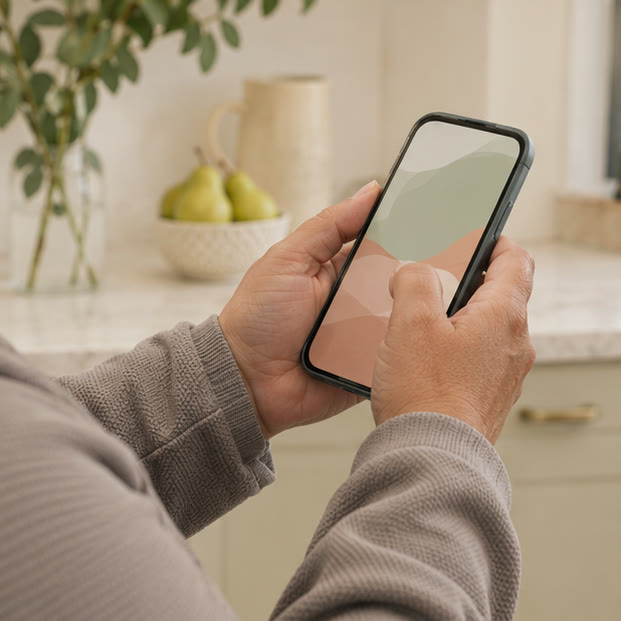
Open the Pulse+ app to discuss your goals with a nurse and ask about treatment options, costs or next steps.
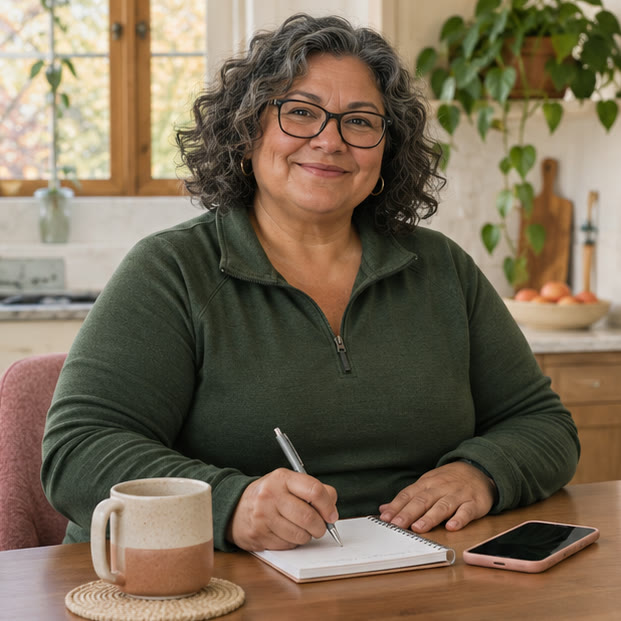
Go over your next steps and when to check in. If you receive a prescription, confirm the medication, cost, delivery and refill details with the dispensing pharmacy.
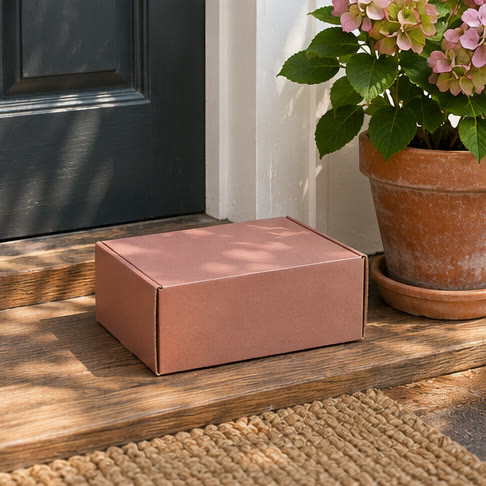
Message a nurse in the Pulse+ app about your progress, changes in your routine or questions about your care plan.
Continue to questionnaire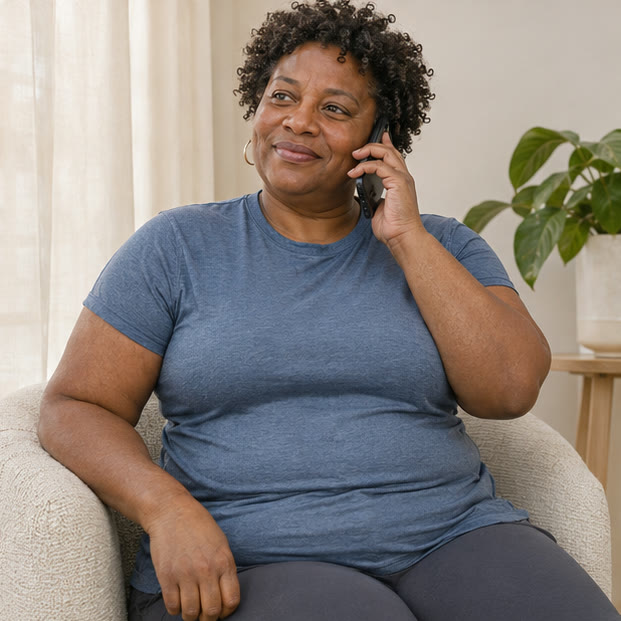
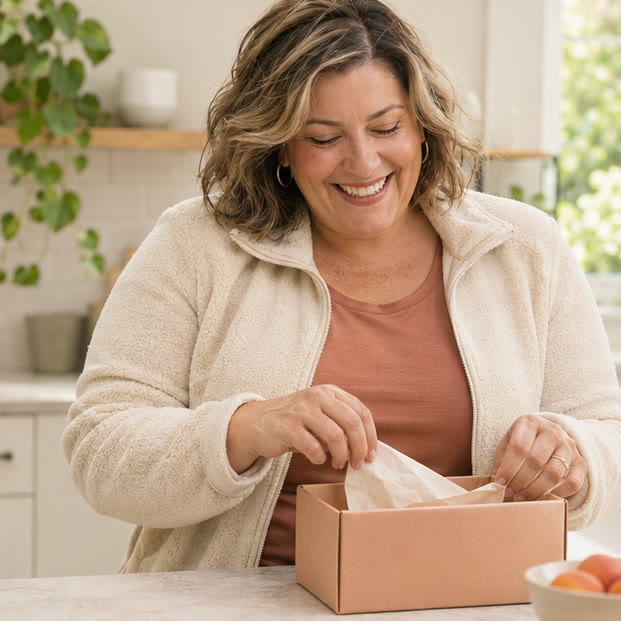
Ask a nurse in the app for a breakdown of medication, supplies and follow-up costs. If you use insurance, ask the insurer about your share of each cost.
Start by talking to a nurse in the Pulse+ app about your goals and current medicines. A licensed clinician can review the benefits, risks and alternatives with you.
Ask your insurer how to check coverage for the exact prescription being considered. Share its answer with your clinician and ask what alternatives you could discuss.
In the U.S., FDA-approved tablets for weight management in eligible adults include Wegovy (semaglutide) and Foundayo (orforglipron). Compounded tablets and drops are not FDA-approved. Read the prescribing information for Wegovy and Foundayo.
Select Continue to questionnaire and start by entering your height and weight.
Weight-care questionnaire
Start with your measurements and answer questions about your health history.
Continue to questionnaireFind answers about using Pulse+ and preparing for weight-loss care.
Explore treatment formats here. When you have questions about your care, talk to a nurse in the Pulse+ app.
See the care stepsAsk a nurse in the app about the cost of medication, supplies and follow-up. If you use insurance, ask what your share would be for each.
Read the cost questionsCoverage depends on your plan and the exact prescription. Ask your insurer to confirm coverage, your share of the cost, and whether it needs prior authorisation.
Read the coverage questionsThe treatment guide compares injections, tablets, and oral drops. Each topic links to information and a question to discuss.
Compare treatment formatsA licensed clinician or pharmacist can answer questions about suitability, doses, and side effects for your situation. The Pulse+ guides can help you prepare what to ask.
Find questions to askStart with your height and weight, then follow the health questions that apply to you.
Start the questionnaireThe Pulse+ help page has answers about the site and ways to contact the team.
Open Pulse+ HelpI can help with the site’s guides, questionnaire, and questions about cost or coverage. For something else, try the help centre.
Browse the help centre